How workplace wellbeing has changed, and where it’s heading next
Over the past ten years, the way people work has changed beyond recognition. Flexible schedules, hybrid routines, and global mobility have redefined what it means to “go to work.” Yet the way companies support their teams hasn’t always kept pace.
At Privilee, we’ve spent a decade supporting organisations across the Middle East, from small teams to multinationals, and watching how workplace wellness has evolved. What started as gym subscriptions and basic perks has shifted into something much more significant: a marker of company culture, leadership, and long-term strategy.
Here’s what we’ve learnt along the way.

Wellness is now a priority
Once considered a ‘nice-to-have’, employee wellness is now a core part of workplace culture. Over the past decade, we’ve seen companies move from basic benefits to investing in holistic solutions that support movement, mental health, downtime, and connection. As burnout becomes a recognised business risk, wellness has shifted from a perk to a priority.

Companies compete on care
Wellness has become a point of differentiation. Employers are realising that salaries alone don’t attract or retain talent – culture, care, and quality of life do. As competition for talent increases, wellbeing is a key signal of how much a company values its people, and how far it’s willing to go to support them.

The aggregator era is here
While gym memberships still play an important role, companies are now looking for more holistic solutions. Teams are made up of individuals with different routines, preferences, and goals – from strength training to mindfulness, family time to recovery. Businesses now want all-in-one solutions that offer variety, simplify management, and remove the need for multiple provider contracts.

Performance and wellbeing must coexist
The best corporate wellness strategies recognise that productivity and wellbeing are not opposing forces – they fuel one another. Protecting energy, promoting recovery, and encouraging time away from the screen all contribute to performance. It’s no longer a trade-off, but a balance.

Burnout is a business risk
Five years ago, burnout was just a buzzword. Now it’s a boardroom topic. From public health surveys to government-backed initiatives, the conversation around stress, recovery, and mental wellbeing has become mainstream. Companies are responding by designing programmes that address not just physical health, but the whole spectrum of wellbeing.

In-person connection still matters
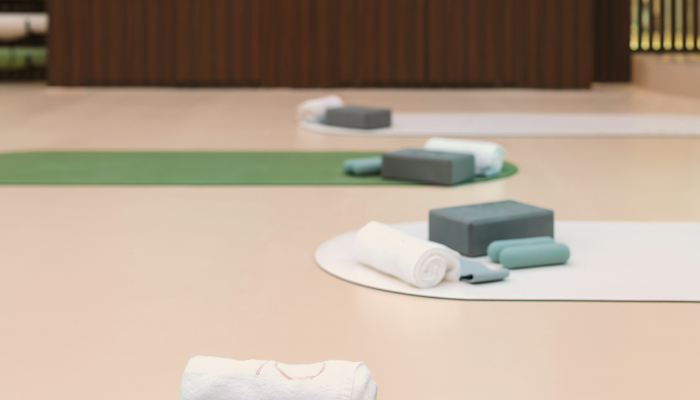
The rise of remote work changed expectations, but it didn’t erase the need for physical spaces. After years of digital workouts and virtual check-ins, employees want to move, train, and connect in real environments again. Wellness benefits that offer real-world access – not just online content – see stronger engagement and long-term use.
Consistency matters across countries
With more companies operating across markets, wellness benefits now need to travel with teams. A solution that works in Dubai should also support colleagues in Doha or Muscat. Solutions now need to work wherever people do – scalable, consistent, and flexible enough to move with teams. And those expectations are shaping the next generation of workplace wellness platforms.

Data drives decisions
HR leaders and procurement teams are increasingly data-driven. They want to see engagement, utilisation, and ROI, not just sign-ups. Over the last decade, we’ve seen a growing demand for insight – how teams use benefits, what they value most, and where programmes can evolve. Measurable outcomes now sit at the centre of successful wellness strategies.

Wellness is part of employer branding
Wellbeing isn’t just an internal benefit; it’s part of how companies present themselves to the world. Offering thoughtful, high-quality wellness programmes signals care, builds reputation, and helps attract global talent. It also shapes how employees talk about their company – an increasingly important factor in a competitive talent landscape.

The future is adaptive
If there’s one takeaway from 10 years in corporate wellness, it’s this: successful programmes evolve as people do. The most impactful benefits are those built around real life – easy to use, flexible to manage, and diverse enough to meet different needs. And as expectations continue to shift, so too will the way companies design and deliver wellbeing for their teams.
Looking ahead
Corporate wellness is no longer about ticking a box – it’s about creating environments where people can work, feel, and live better. The companies leading the way are those that adapt to how people actually live, and build support systems around that reality.
At Privilee, we’re proud to have spent the last decade shaping how wellness works for teams across the region, and we’re just getting started.
If you’re rethinking your approach to workplace wellbeing, we’re here to help, wherever your team is based.
Contact corporate@privilee.ae to talk to a member of the Corporate Team.

